
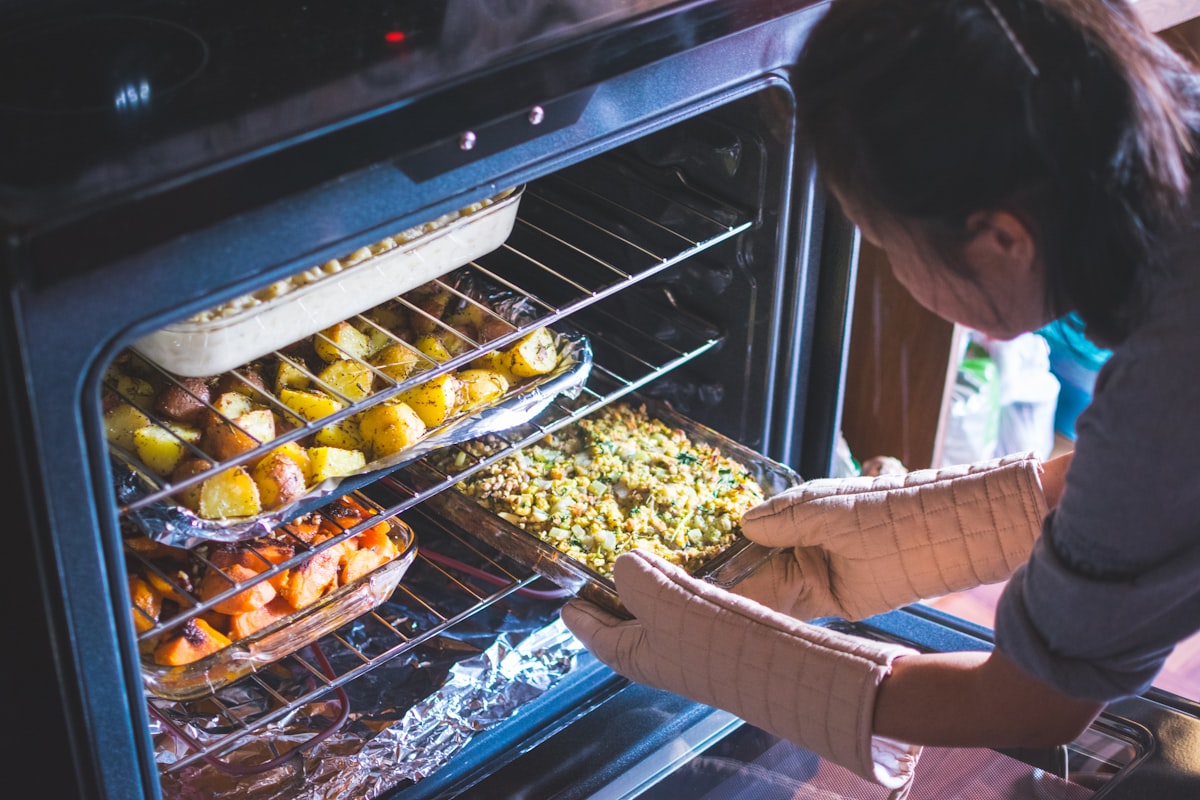
Master Vegetable-Based Cooking Techniques
Discover the fundamental methods that professional chefs use to prepare vegetables with precision, flavor, and nutritional integrity. Learn how proper techniques unlock the natural potential of plant-based ingredients.
Whether you're a home cook or aspiring culinary professional, understanding the science and art behind vegetable preparation transforms how you approach plant-based cooking every single day.
The information on this site is for educational purposes only and does not constitute medical advice. Always consult a qualified healthcare professional before making health decisions.
Essential Vegetable Cooking Methods
Master the five foundational techniques that form the cornerstone of modern plant-based culinary excellence.
Roasting
High-heat dry cooking that caramelizes vegetable surfaces, intensifying natural sugars and creating complex flavor profiles through the Maillard reaction.
Steaming
Gentle moist-heat cooking that preserves nutrient density and delicate textures while maintaining vibrant color and fresh vegetable character.
Sautéing
Quick cooking in minimal oil over medium-high heat that develops flavor while maintaining texture control and allowing precise seasoning integration.
Braising
Low-temperature slow cooking in liquid that tenderizes hearty vegetables while infusing deep, savory flavors and creating luxurious cooking mediums.
Raw Preparation
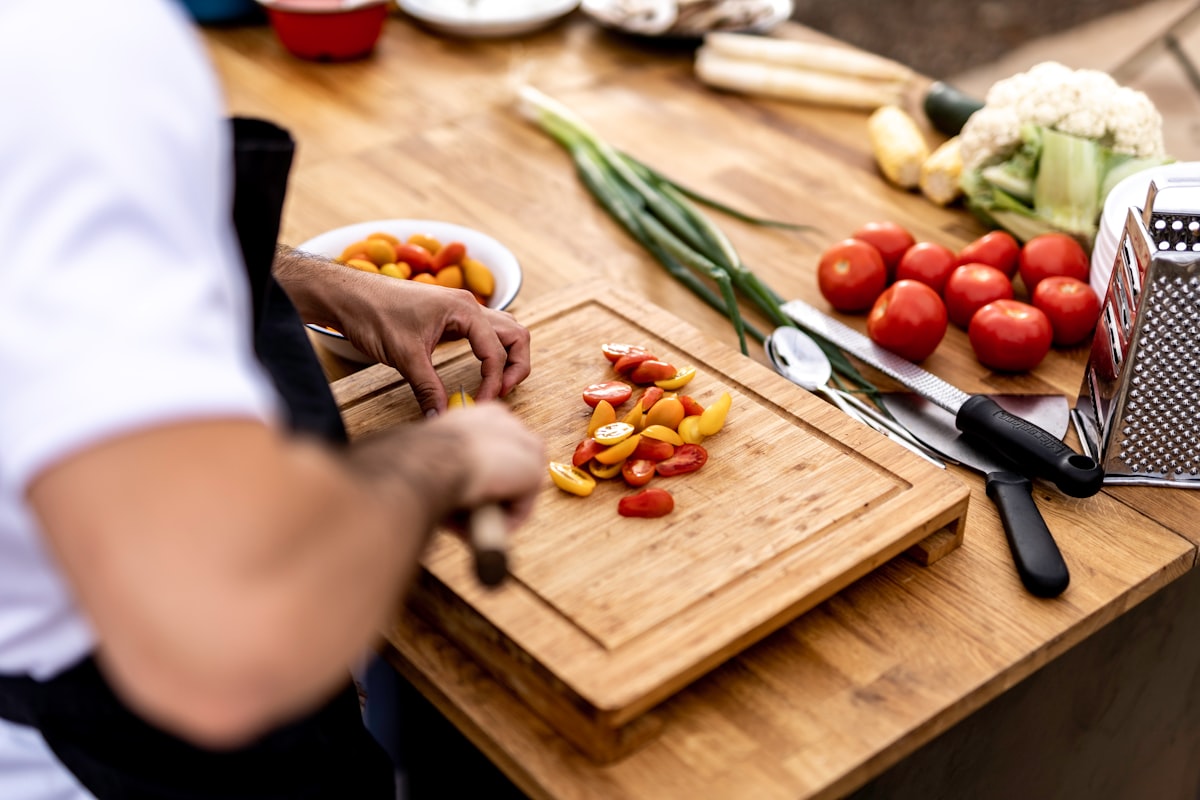
Knife skills and slicing techniques that maximize visual appeal and optimize texture through proper cutting angles and blade selection.
Fermentation Basics
Introduction to lacto-fermentation methods that preserve vegetables while developing probiotics and enhancing digestibility through controlled microbial action.
The Professional Vegetable Preparation Workflow
Follow this structured five-step process used by culinary professionals to ensure consistent, high-quality results.
Selection & Inspection
Choose vegetables at peak ripeness with firm texture, vibrant color, and no blemishes. Understand seasonal availability and varietal characteristics.
Cleaning & Storage
Rinse thoroughly under cold water, remove dirt without damaging skin, and store at proper temperature and humidity to maintain quality.
Knife Skills & Cutting
Master proper grip, blade angle, and cutting techniques to achieve uniform sizes that ensure even cooking and professional presentation.
Technique Selection
Choose the appropriate cooking method based on vegetable type, desired outcome, available time, and desired flavor and texture profile.
Seasoning & Finishing
Layer flavors at appropriate stages, taste continuously, adjust seasoning, and apply final touches for maximum visual and culinary impact.
Roasting & Steaming: The Foundation
Roasting and steaming represent the two most versatile cooking methods in plant-based cuisine. Roasting employs dry heat to caramelize surface sugars, creating depth and complexity. Through the Maillard reaction, vegetables develop rich, savory notes impossible to achieve through gentler methods.
Steaming, conversely, uses moist heat to preserve nutritional compounds and maintain tender textures. This method works exceptionally well for delicate vegetables and retains the fresh, bright character that makes plant-based cooking distinctive.
Understanding when to roast versus steam—and how to combine both techniques in a single dish—forms the technical foundation that separates home cooks from culinary professionals.
Explore Full Technique Guide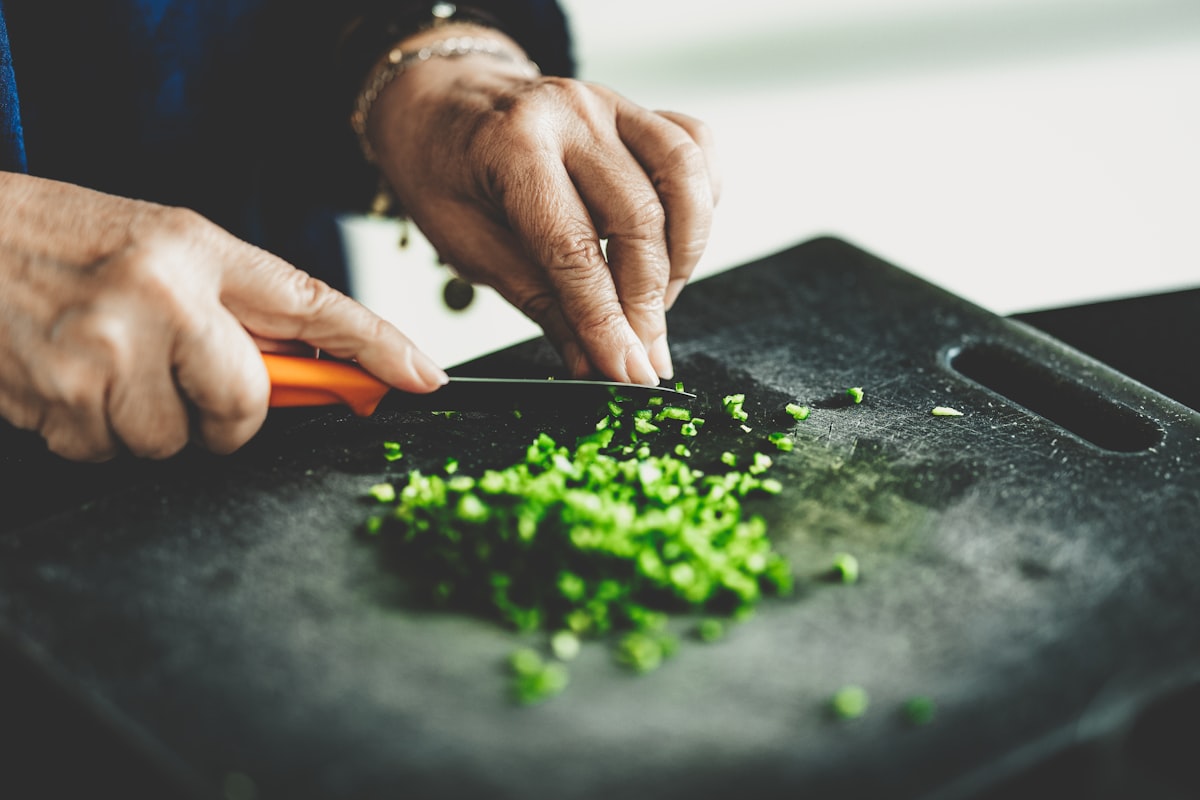
Why Freshcuisinelearning
We provide comprehensive, science-based education for vegetable cooking mastery.
Comprehensive Content
Detailed articles covering technique fundamentals, nutritional science, flavor theory, and practical applications across all vegetable categories.
Evidence-Based Guidance
All recommendations grounded in culinary science, food chemistry, and professional kitchen practices refined through years of professional development.
Community Focus
Connect with fellow cooking enthusiasts through our platform. Share experiences, ask questions, and learn from diverse perspectives in plant-based cuisine.
Practical Recipes
Detailed recipes demonstrating techniques with step-by-step instructions, ingredient ratios, timing guidelines, and troubleshooting advice.
Expert Insights
Articles exploring advanced concepts including flavor pairing theory, texture manipulation, seasonal cooking strategies, and culinary innovation.
Accessible Support
Reach our editorial team with questions about articles or content. We're committed to helping you understand cooking concepts with clarity and precision.
Vibrant Vegetable Cooking Showcase
Explore visually striking examples of properly executed vegetable preparation techniques.
Roasted Root Vegetables
High-heat caramelization technique
Perfectly Steamed Greens
Nutrient-preserving cooking method
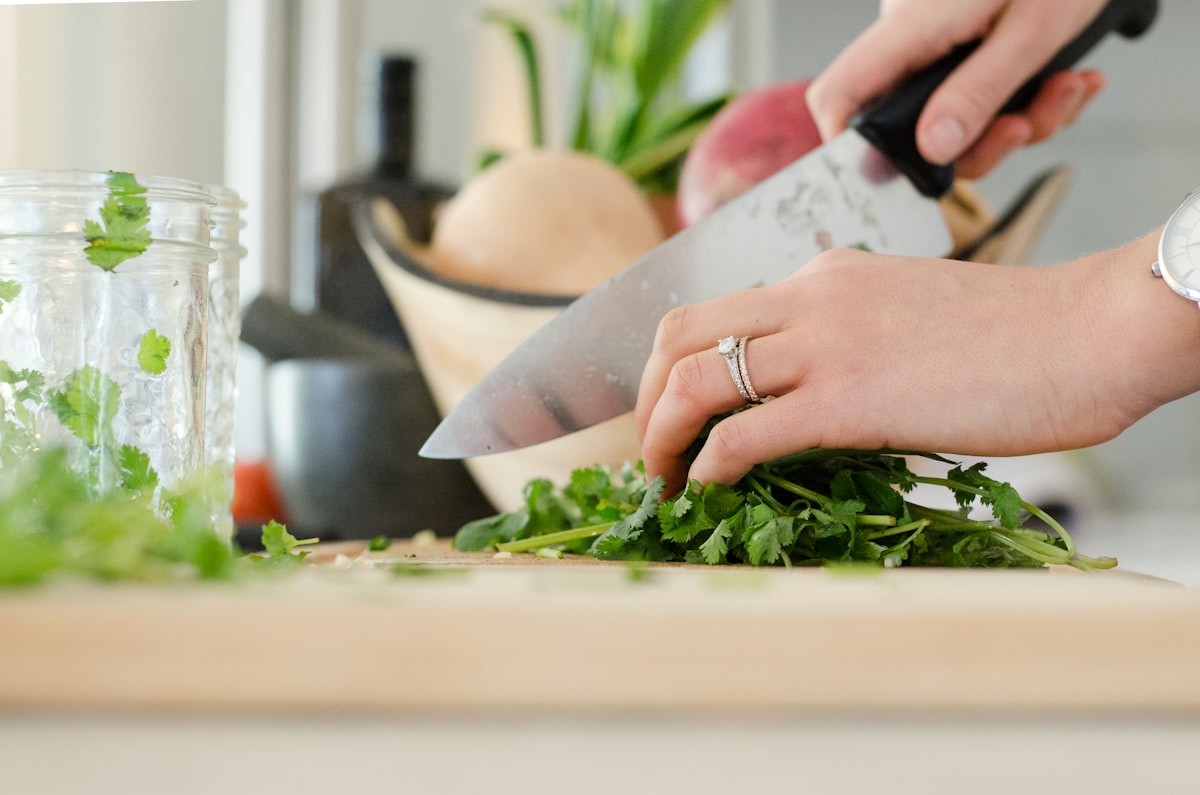
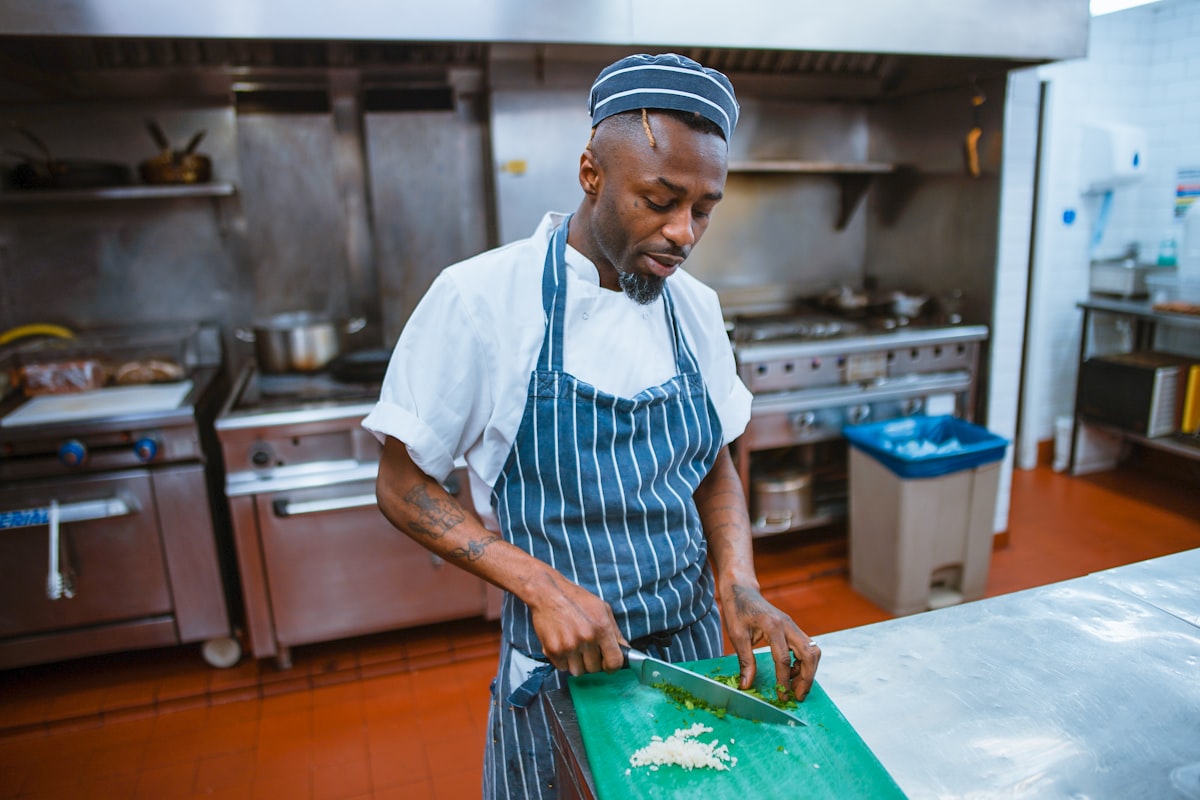
Knife Skills Excellence
Uniform cutting for consistency
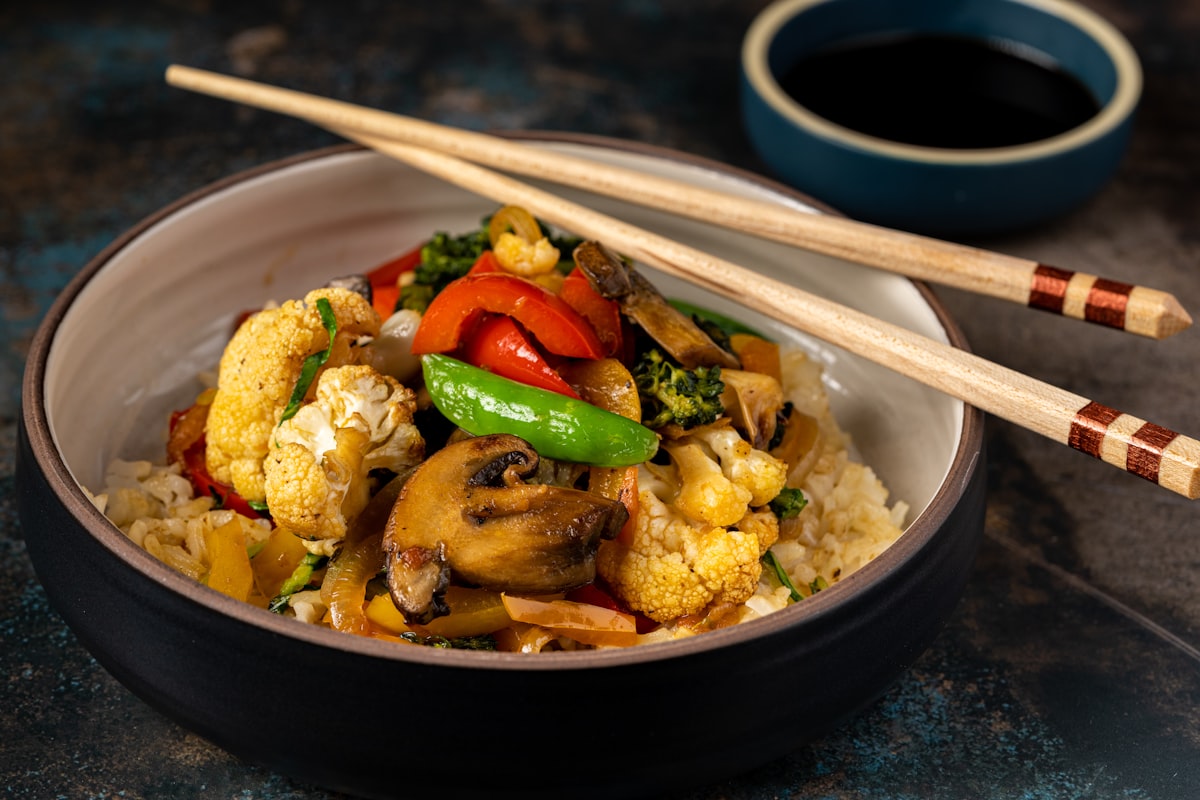
Braised Vegetables
Low-temperature flavor infusion
What Our Readers Say
Hear from home cooks and culinary professionals who have transformed their cooking through our educational content.
"I've been cooking plant-based meals for three years, but Freshcuisinelearning completely elevated my understanding of technique. The detailed explanations of roasting temperatures and timing transformed how I approach vegetable preparation. My family now comments regularly on how much more flavorful everything tastes. The foundational knowledge here is genuinely transformative—it's not just recipes, it's understanding the science behind why certain methods work."
Maria Hoffmann
Hamburg, Germany
"As someone transitioning to a more plant-forward diet, I felt intimidated by cooking techniques. This platform explained everything with such clarity and professionalism. The section on knife skills and cutting techniques finally made sense of things I'd been doing wrong for years. What impressed me most is how each article respects your intelligence while remaining accessible to beginners. I've recommended this to everyone in my cooking group."
Klaus Schneider
Berlin, Germany
"I'm a culinary student focusing on sustainable cuisine, and these articles have become essential reference materials for my studies. The depth of information about fermentation techniques and vegetable science is comparable to professional culinary textbooks, yet far more readable and practical. The community aspect has connected me with other professionals exploring plant-based techniques. This resource is invaluable for anyone serious about vegetable cookery."
Sophie Berger
Munich, Germany
"My restaurant specializes in seasonal vegetable-forward plates, and Freshcuisinelearning keeps me informed about the latest approaches to classical techniques. The articles on flavor development and texture contrast have directly influenced our menu design. It's refreshing to find content that treats vegetable cooking with the sophistication it deserves. The editorial quality is consistently excellent—these aren't generic articles, they're genuinely thoughtful."
Thomas Weber
Cologne, Germany
Common Questions About Vegetable Cooking Methods
Find answers to frequently asked questions about techniques, methods, and best practices in plant-based cooking.
Roasting and baking differ primarily in temperature and technique. Roasting uses higher temperatures (typically 200-220°C) with oil to encourage caramelization and browning through the Maillard reaction. Vegetables are tossed occasionally for even cooking. Baking uses moderate temperatures (160-180°C) without oil coating, producing softer results without the caramelized crust. Choose roasting for concentrated flavor development and textural contrast, and baking for gentler cooking that preserves delicate vegetable structure.
Have additional questions about vegetable cooking techniques?
View More FAQsMaster Plant-Based Cooking Today
Explore our comprehensive collection of articles, recipes, and techniques. Develop the culinary knowledge that transforms ordinary ingredients into extraordinary dishes.
Learn from Our Editorial Experts
Our team of culinary professionals regularly publishes in-depth articles about vegetable cooking science, technique refinement, and practical kitchen applications. Subscribe to stay informed about the latest content.
Explore Latest Articles