
Master Vegetable-Based Cooking Techniques
Learn professional methods to prepare, cook, and present vegetables with precision. Our comprehensive guide covers roasting, steaming, blanching, stir-frying, and advanced finishing techniques used by chefs worldwide.
Transform your kitchen skills with step-by-step instruction on texture, flavor development, and nutritional preservation across every cooking method.
The information on this site is for educational purposes only and does not constitute medical advice. Always consult a qualified healthcare professional before making health decisions.
Core Cooking Technique Features
Discover the essential methods that form the foundation of professional vegetable preparation and cooking across all cuisines.
Roasting & Caramelization
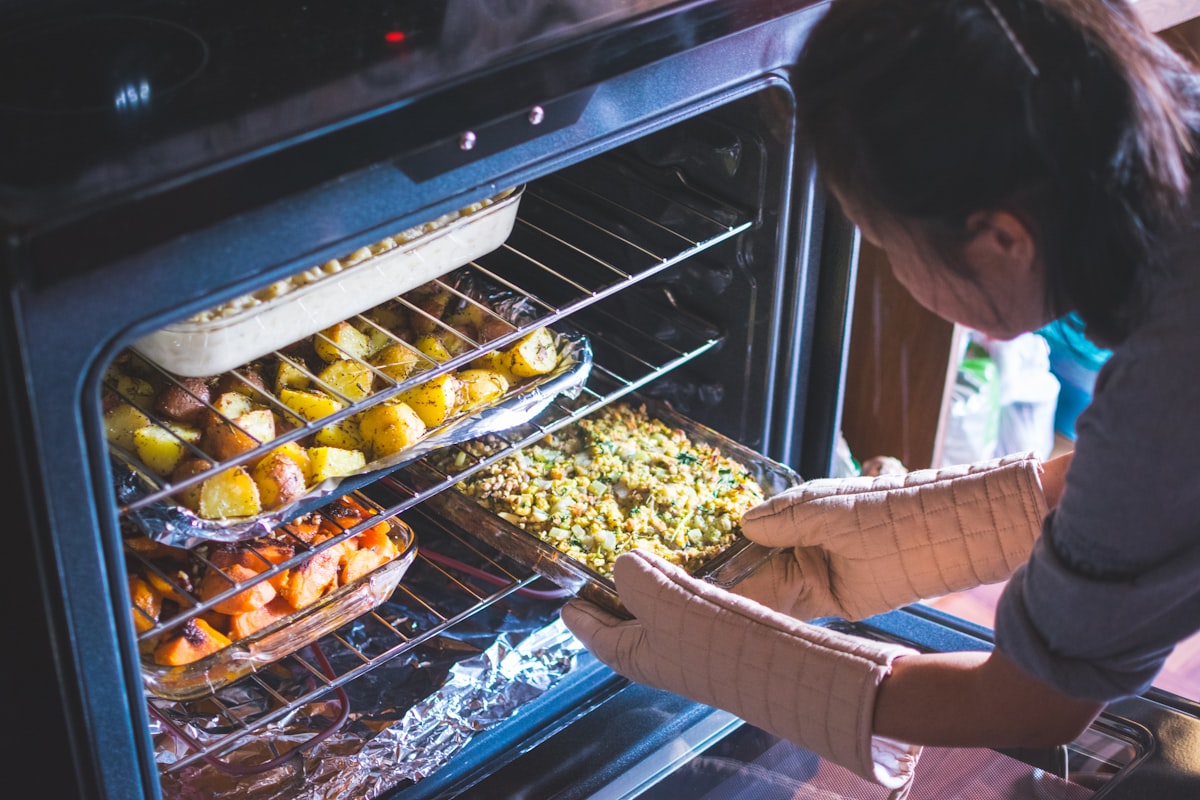
Master dry-heat roasting to develop deep flavors through the Maillard reaction. Learn temperature control, pan selection, timing, and how to achieve golden crusts while maintaining interior tenderness in root vegetables, cruciferous vegetables, and alliums.
- Optimal roasting temperatures
- Oil and seasoning ratios
- Batch cooking strategies
Steaming & Blanching
Preserve color, texture, and nutritional value using moist-heat methods. Understand water temperature, steam timing, ice-water shocking techniques, and the science behind retaining vibrant green colors in leafy and green vegetables while managing softness levels.
- Steamer setup and equipment
- Blanching time guidelines
- Chlorophyll preservation
Stir-Frying & Pan Searing
Execute high-heat wok cooking with precision. Learn vegetable cutting techniques for even cooking, heat management, mise en place organization, and flavor-building through sequential ingredient addition. Develop confidence with quick cooking methods.
- Knife cuts for stir-frying
- Wok heat control
- Oil smoke point selection
Braising & Simmering
Create rich, deeply flavorful dishes using slow moist-heat cooking. Master liquid selection, aromatics layering, cover vs. uncovered cooking, and low-temperature timing for tender results with tough or fibrous vegetables that soften beautifully over time.
- Braise liquid fundamentals
- Cooking time by vegetable
- Sauce reduction techniques
Raw Prep & Advanced Slicing
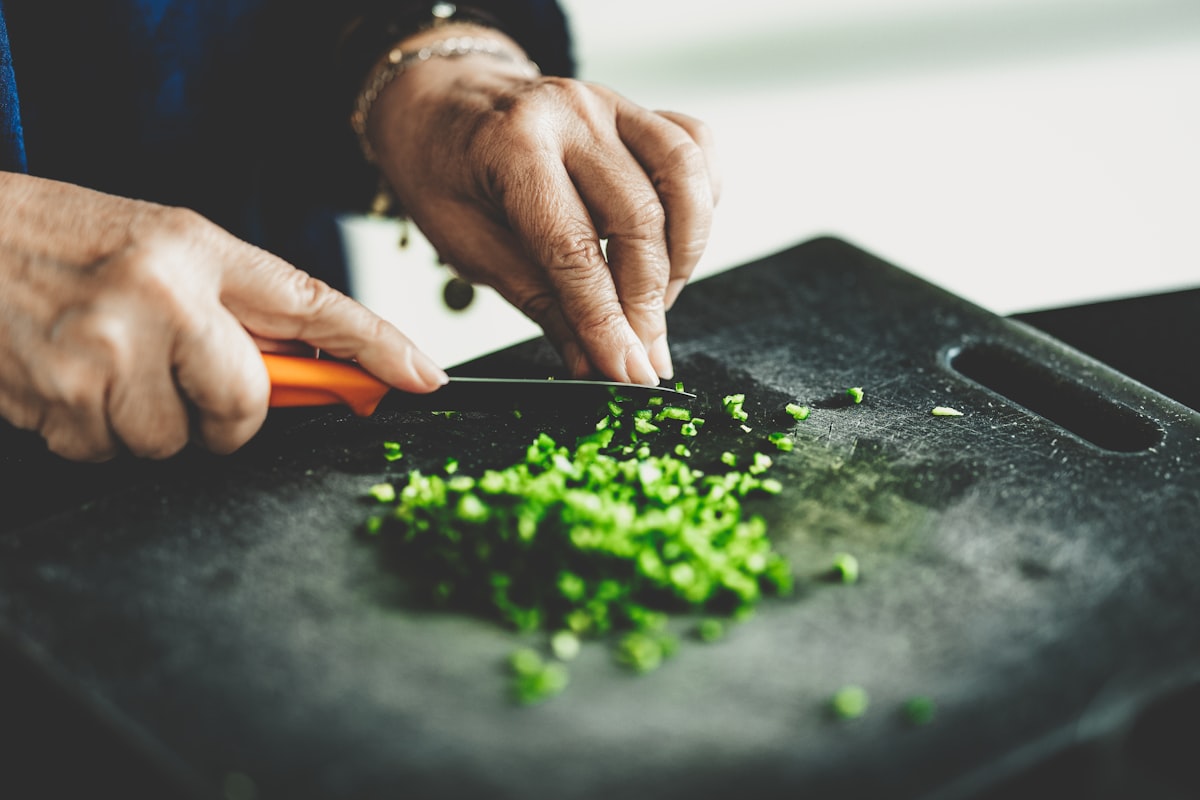
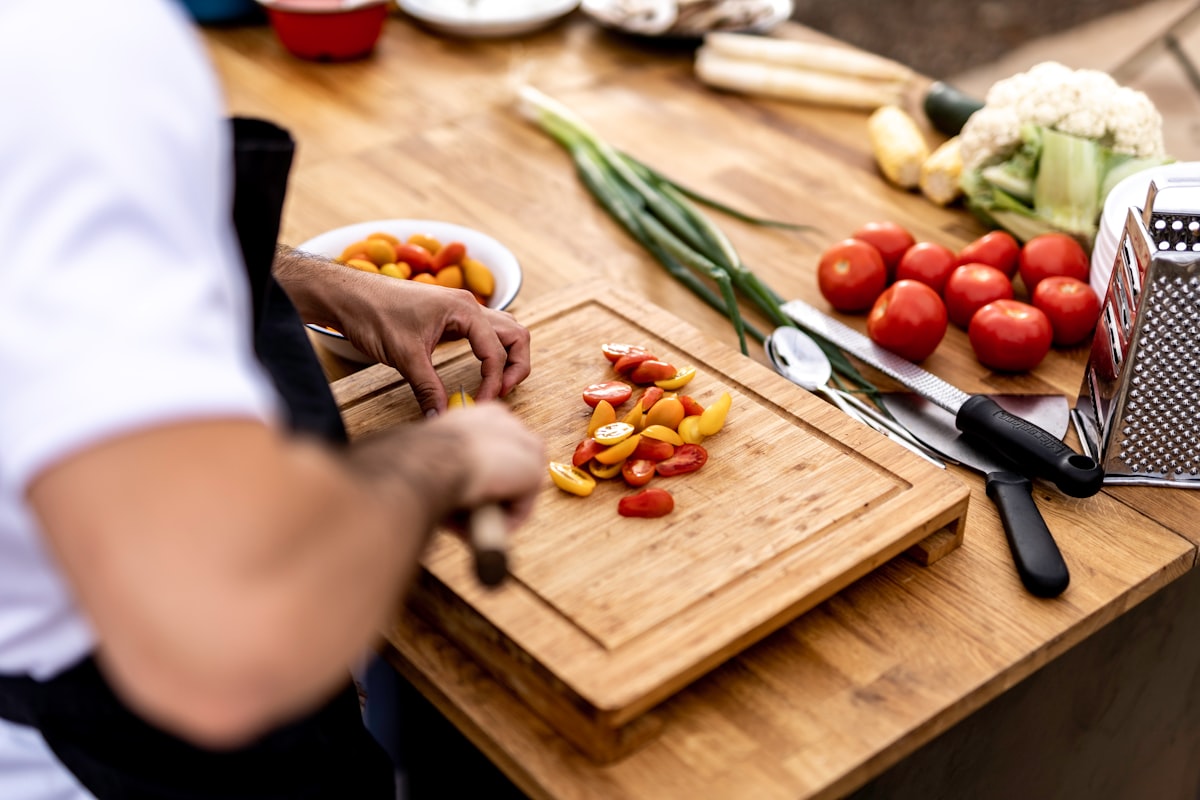
Perfect the fundamentals of knife work and vegetable preparation. Learn professional peeling, julienne, brunoise, chiffonade, and bias cuts. Understand how knife cuts affect cooking time, presentation, and texture in both raw salads and cooked preparations.
- Essential knife techniques
- Safe handling practices
- Cut uniformity for even cooking
Finishing & Flavor Building
Master the final steps that elevate cooked vegetables from ordinary to exceptional. Learn acid balancing, herb infusions, emulsification, garnish layering, and temperature management during service. Understand how finishing techniques enhance natural vegetable flavors.
- Acid and citrus balance
- Herb integration timing
- Garnish and presentation
Five-Step Professional Cooking Methodology
Follow this systematic approach to achieve consistent, professional results with every vegetable and cooking technique.
Selection & Assessment
Begin by choosing vegetables appropriate for your intended cooking method. Assess size, ripeness, firmness, and shape. Larger vegetables need longer cooking; delicate varieties require gentler heat. Understand how vegetable structure (fibrous vs. starchy vs. watery) influences technique selection and timing expectations.
Key point: Matching vegetable type to cooking method is the foundation of success. Root vegetables thrive with roasting; leafy greens benefit from steaming or raw preparation.
Preparation & Mise en Place
Wash vegetables thoroughly and prepare them according to technique requirements. Peel, trim, and cut with precision into uniform sizes. Organize all ingredients, seasonings, and equipment before heat application. This preparation phase prevents mistakes and ensures even, predictable cooking results throughout the cooking process.
Key point: Uniform cutting is non-negotiable. Size variation causes uneven cooking—dense centers with overcooked edges.
Cooking Execution & Heat Management
Apply the chosen technique with attention to temperature, timing, and environmental conditions. Monitor heat levels—too high causes burning; too low results in textural loss. Use sensory feedback (aroma, sound, visual cues) and timing markers to judge doneness. Document temperature and time for future reference to build consistent technique mastery.
Key point: Cooking is not set-and-forget. Active monitoring and adjustment ensure superior texture and flavor development throughout the process.
Evaluation & Texture Assessment
Test doneness using multiple methods: fork tenderness, visual inspection of color saturation, and tasting (if food-safe). Different dishes require different end-states—some vegetables should remain slightly firm for salads; others develop best when completely softened. Evaluate against your technique target before proceeding to finishing steps.
Key point: "Tender-crisp" and "fully tender" are different endpoints. Know which you're aiming for before you start cooking.
Finishing & Immediate Service
Apply final seasonings, acids, and aromatics immediately before serving to maximize flavor impact and brightness. Add fresh herbs, citrus, finishing oils, or emulsified sauces. Transfer to serving dishes promptly to maintain optimal temperature and prevent texture degradation from residual heat. Perfect execution means nothing if vegetables lose quality waiting in a hot pan.
Key point: The finishing step happens at the last moment. Planning your timeline ensures vegetables reach the table at peak quality.
Technique Comparison Guide
Understanding the strengths and best uses of each technique helps you choose the right method for every cooking situation.
| Technique | Cooking Time | Color Preservation | Flavor Development | Best For |
|---|---|---|---|---|
| Roasting | 20-45 minutes | Golden-brown browning | Excellent - Maillard | Root vegetables, squash, peppers |
| Steaming | 5-15 minutes | Excellent - Bright green | Subtle, pure vegetable | Leafy greens, broccoli, asparagus |
| Blanching | 2-10 minutes | Excellent - Vibrant | Minimal, pure taste | Prep for salads, freezing, finishing |
| Stir-Frying | 3-8 minutes | Variable - controlled browning | Good - aromatics, oil absorption | Mixed vegetables, quick service |
| Braising | 45-120 minutes | Darkening - expected | Excellent - liquid infusion | Tough vegetables, flavor depth |
| Raw Prep | None - immediate | Perfect | Pure, fresh, crisp | Salads, slaws, crudités |
Speed vs. Flavor
Quick techniques like steaming and stir-frying preserve color and texture but develop minimal browning. Slower techniques like roasting and braising create deeper flavors through extended heat exposure and chemical reactions. Balance your priorities based on your dish goals.
Equipment & Versatility
Raw prep requires only a sharp knife. Steaming needs a steamer basket. Roasting requires an oven and baking sheet. Stir-frying demands a wok or large pan with high-heat tolerance. Braising requires a heavy pot with a tight-fitting lid. Choose techniques based on available equipment and kitchen infrastructure.
Steaming & Blanching Essentials
Steaming and blanching are the most effective techniques for preserving the bright green color, crisp texture, and nutritional content of vegetables. Unlike boiling, which leaches compounds into water, steaming suspends vegetables above boiling water, allowing gentle heat penetration while maintaining structural integrity.
Why Steaming Works
- Heat penetration: Moist steam transfers heat more efficiently than dry air, cooking vegetables evenly in shorter time
- Chlorophyll preservation: Lower temperatures prevent chlorophyll degradation that causes browning and color loss
- Minimal leaching: Vegetables never contact cooking liquid, retaining water-soluble compounds and flavor
- Texture control: Exact timing prevents mushiness; vegetables remain tender-crisp with slight resistance
Steaming Equipment
You need a pot with a tight-fitting lid and either a bamboo steamer basket, metal collapsible steamer, or steamer insert. Fill the pot with water just below the basket level—vegetables should never touch water. Bamboo steamers stack, allowing simultaneous cooking of multiple vegetables with different timing requirements by removing layers as each finishes.
Blanching Technique
Blanching briefly cooks vegetables in rapidly boiling salted water, then immediately stops the process with an ice bath. This sets color, reduces cooking enzymes, and removes surface dirt. Blanching time varies: 2-3 minutes for tender leafy greens, 4-5 minutes for broccoli crowns, 6-8 minutes for thicker asparagus. The ice bath must be as large as the boiling water portion to rapidly cool vegetables to below 40°F.
Pro tip: Salt your blanching water generously—it should taste like seawater. This seasons vegetables as they cook and helps preserve color intensity.
Visual Cooking Demonstrations
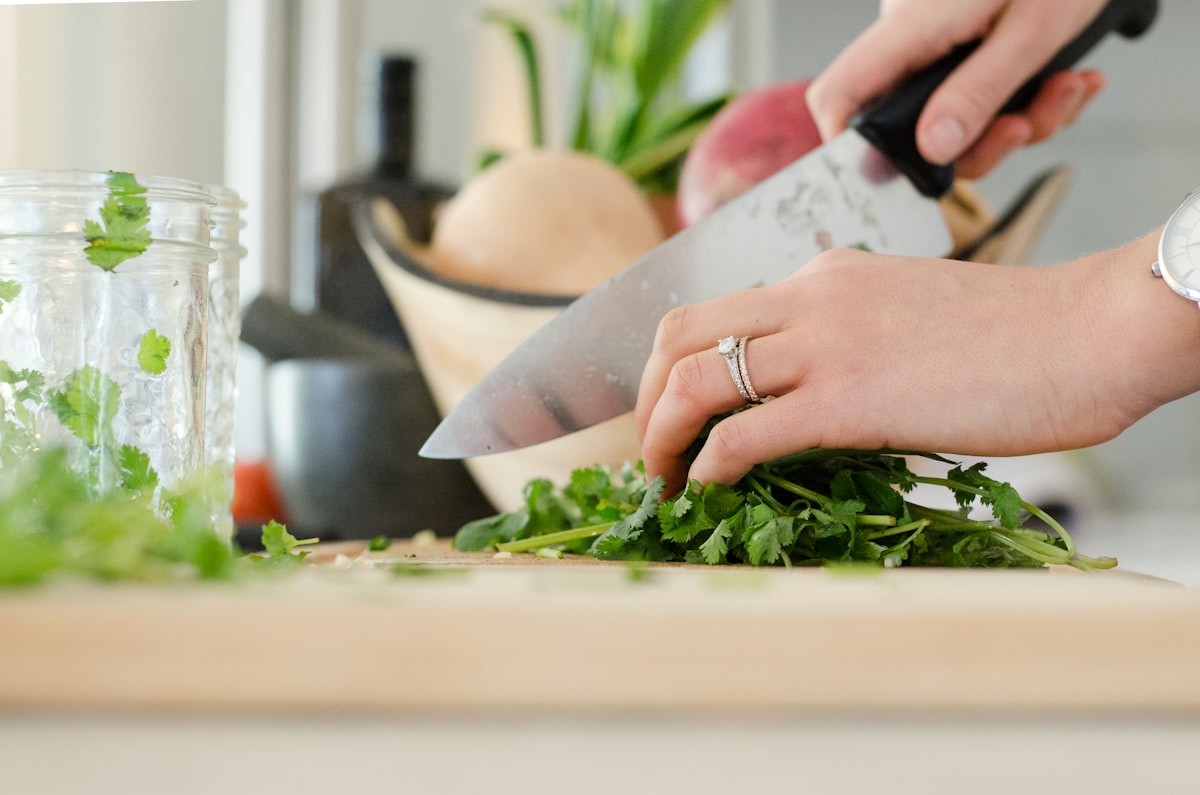
Visual references for knife techniques, preparation methods, and finished textures across various cooking approaches.
Roasted Root Vegetables
Golden-brown caramelized edges with creamy interiors indicate proper roasting technique and optimal doneness.
Steamed Broccoli Crown
Vibrant green color and tender texture showcase proper steaming time and nutrient preservation.
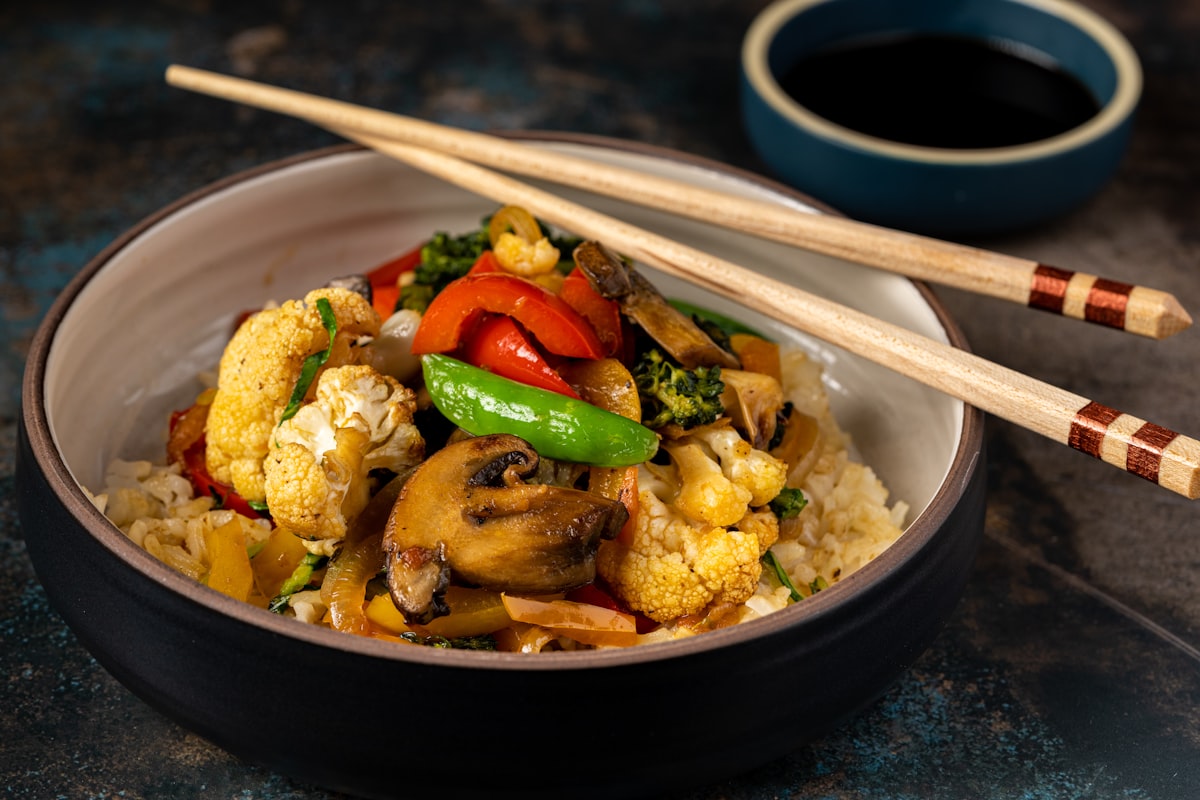
Pan-Seared Salmon
Crispy skin and moist flesh demonstrate mastery of heat control and timing for restaurant-quality results.
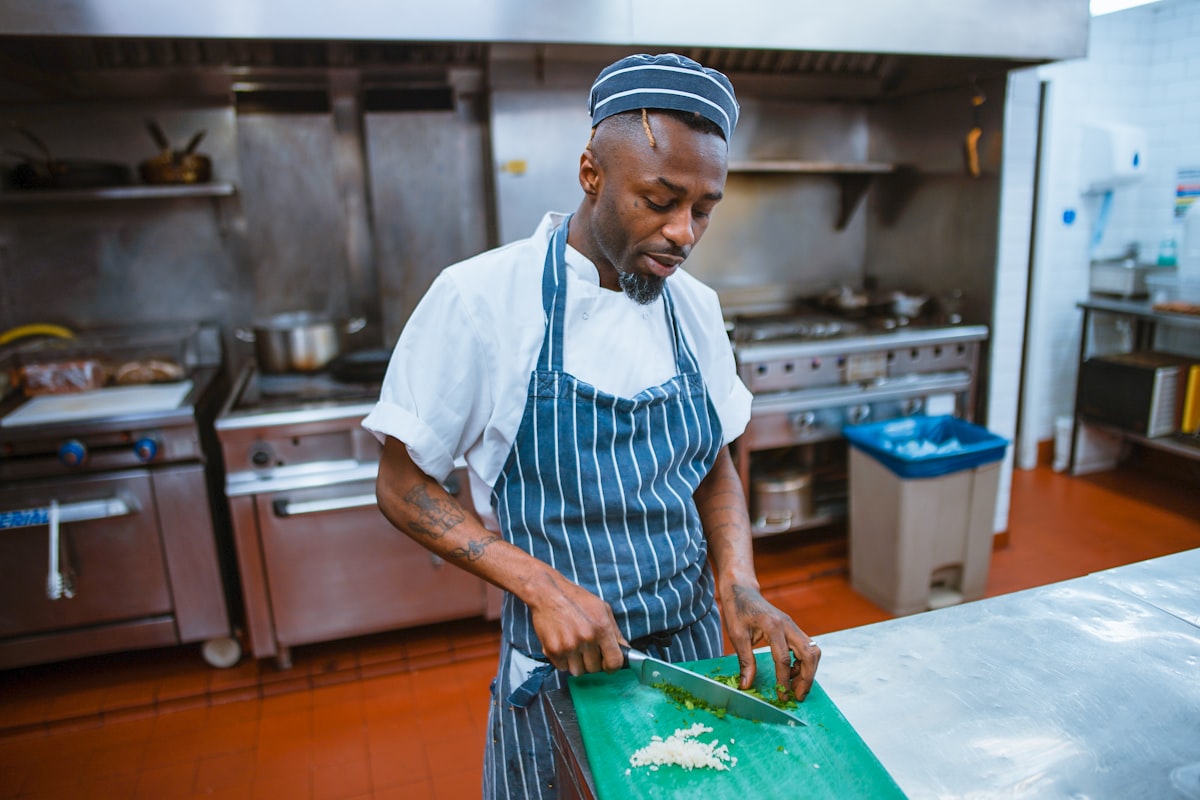
Garden Fresh Salad
Crisp vegetables and balanced dressing showcase the fundamentals of fresh ingredient selection and preparation.
What Our Students Say
Real experiences from culinary enthusiasts who've transformed their kitchen skills
Sarah Mitchell
Home Chef
"Freshcuisinelearning transformed my weeknight dinners. The techniques are easy to follow and the results are professional-quality. My family can't believe I'm cooking like this!"
Marcus Chen
Aspiring Chef
"The courses are structured perfectly for beginners. I went from burning pasta to creating restaurant-quality meals in just weeks. Highly recommend to anyone serious about cooking!"
Elena Rodriguez
Food Blogger
"As a food blogger, I need reliable techniques and proven methods. Freshcuisinelearning delivers both. The instructor's passion for fresh cuisine really shines through in every lesson."
Frequently Asked Questions
Find answers to common questions about our courses and learning experience
No prior experience is necessary! Our courses are designed for beginners while offering advanced techniques for experienced cooks. We start with fundamentals and progress systematically.
Most lessons use basic kitchen equipment found in any home kitchen. We provide guidance on essential tools and offer alternatives when specialized equipment is optional. No expensive machinery required!
Absolutely! All our courses are fully responsive and optimized for mobile devices. Watch lessons on your phone or tablet while cooking in the kitchen for easy reference.
Yes! We offer a 30-day money-back guarantee on all courses. If you're not satisfied, simply contact our support team for a full refund—no questions asked.
You get lifetime access to all course materials! Watch and rewatch lessons whenever you want, and you'll receive updates and new content at no extra cost.
Ready to Master Fresh Cuisine?
Join thousands of home cooks transforming their kitchen skills. Start your culinary journey with Freshcuisinelearning today.